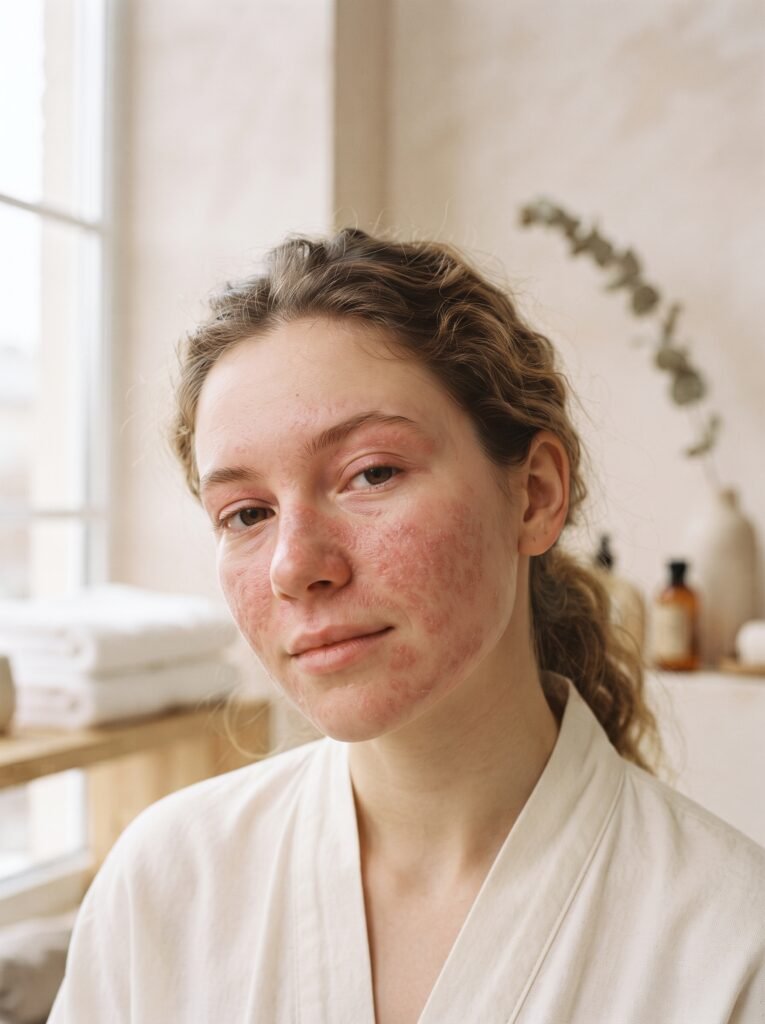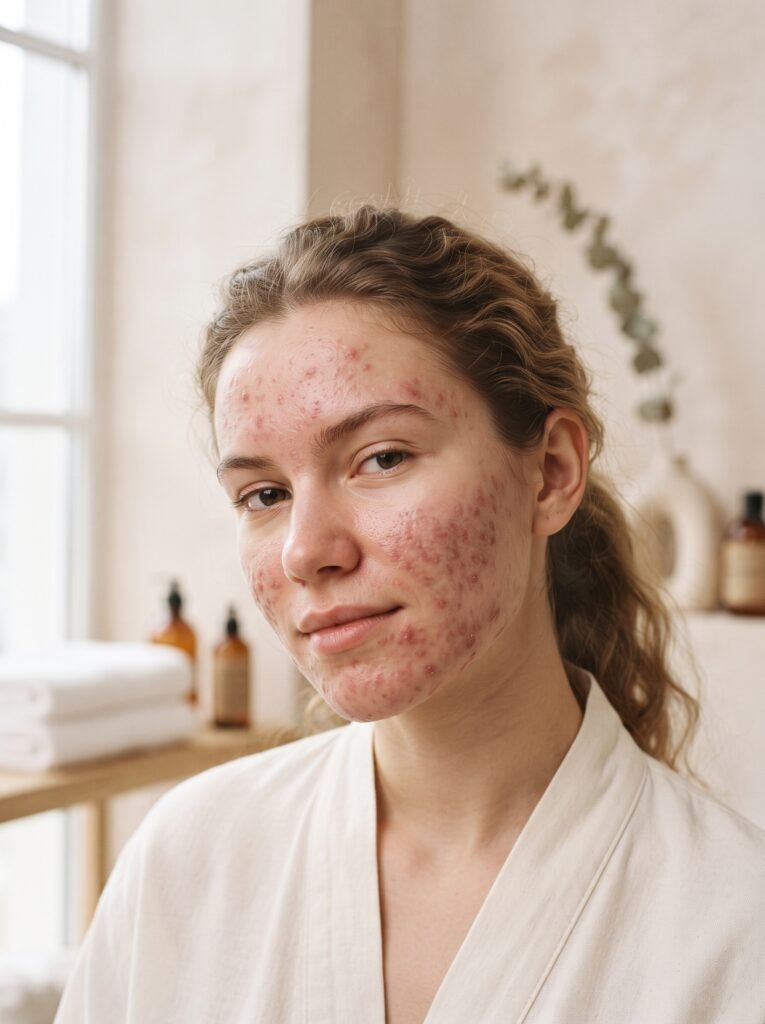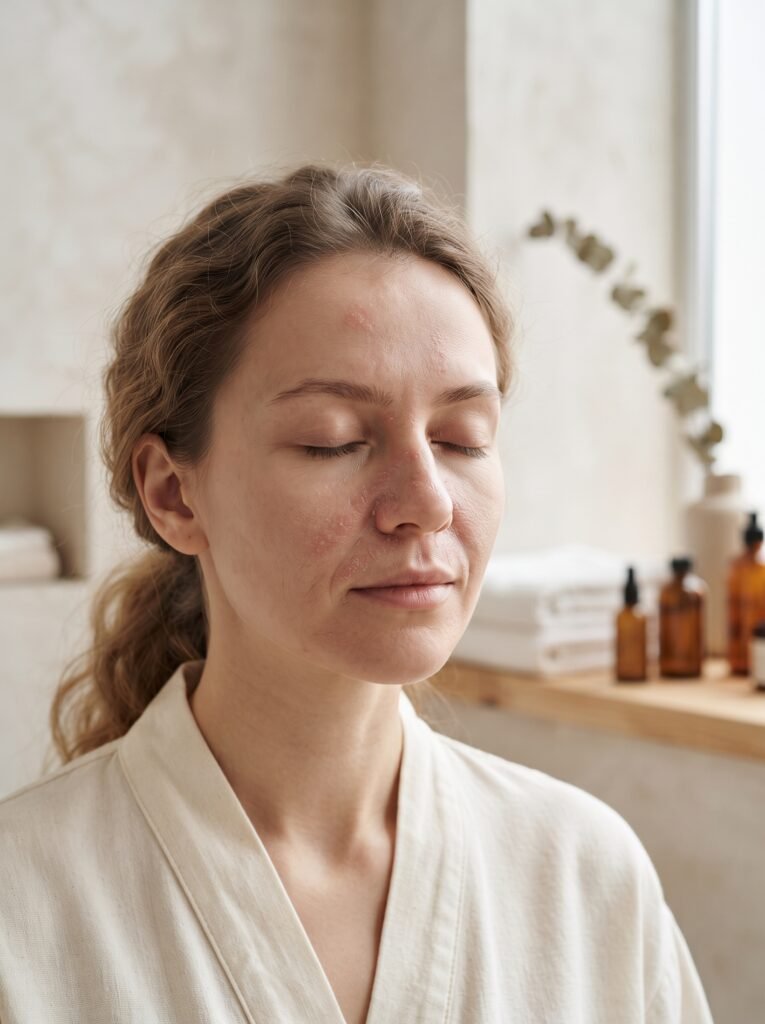
Post-inflammatory hyperpigmentation (PIH) refers to dark spots on the skin that develop as a direct result of inflammation or skin injury. When the skin is inflamed (due to acne, eczema, burns, or aggressive treatments), defence cells begin to stimulate melanocytes. This results in excessive, uneven melanin (skin pigment) production at the injury site.
Key characteristics of PIH
- Appearance: It manifests as flat spots that alter the skin's colour. Depending on skin tone and pigment depth, the spots can be pink, red, brown, or dark brown..
- Who is affected: It can occur in all skin types, but it is significantly more common, pronounced, and persistent in darker skin phototypes (skin that tans easily in the sun).
- Difference from scars: PIH is not a true scar because it does not alter the skin's texture (there are no indentations or raised areas). It is strictly a discolouration that may fade spontaneously over time, unlike structural scars.
Most common causes
- Inflammatory acne and pimples (especially if squeezed or picked at).
- Skin conditions such as atopic dermatitis, psoriasis, or contact dermatitis.
- Mechanical and thermal injuries (scratches, sunburns, burns from cooking or wax).
- Aggressive cosmetic treatments if performed incorrectly or without adequate post-treatment care (chemical peels, lasers, dermabrasion).
How to treat and remove PIH?
Treating PIH requires patience and a combination of protection, pigment inhibition, and accelerated cell renewal:
Daily SPF (The foundation of treatment): UV rays stimulate melanocytes, making existing spots even darker and more resistant to removal. Using a broad-spectrum sunscreen (SPF 30+) is mandatory every day of the year.
Melanin inhibitors: Active ingredients that block new pigment formation. The most effective ones are:
- Azelaic acid (excellent because it simultaneously soothes inflammation/acne and lightens spots).
- Alpha-arbutin and kojic acid..
- Vitamin C (evens out skin tone and acts as an antioxidant).
- Tranexamic acid (proven effective for stubborn pigmentation).
Accelerating exfoliation (Skin renewal): Ingredients that help the skin shed darkened surface cells more quickly:
- Retinoids (retinol, retinal, retinaldehyde) – stimulate cell turnover.
- AHA acids (glycolic or lactic acid) – chemically exfoliate the surface layer.
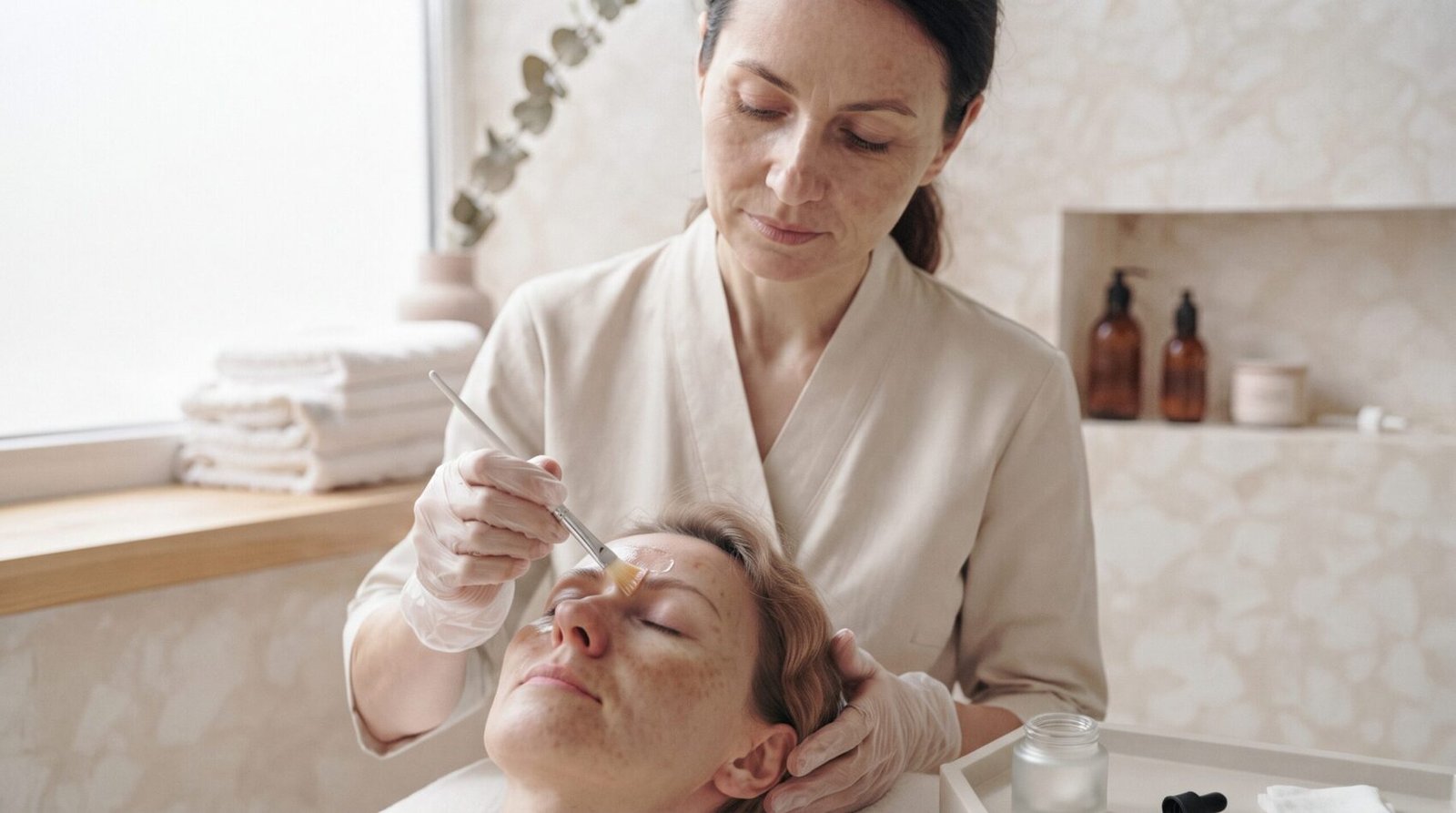
Professional treatments: For faster results with stubborn spots, medical-grade chemical peels, microdermabrasion, or laser treatments are used to break down pigment clusters specifically.
Important note:
The information presented in this text is of a general nature and cannot replace a professional dermatological examination. The content published on S Lift serves exclusively for educational and informative purposes and does not represent medical advice, diagnosis or treatment recommendations. Since every skin reacts uniquely, we recommend a professional diagnosis before introducing new active ingredients, routines, or treatments. To diagnose dermatological diseases, you must consult a doctor or dermatologist. S Lift maintains its focus on holistic care and advanced cosmetology. For an advanced View Skin analysis, visit the S Lift boutique beauty salon at Kačićeva 10 in Zagreb for a personalised approach and consultation tailored to your digital skin impression.