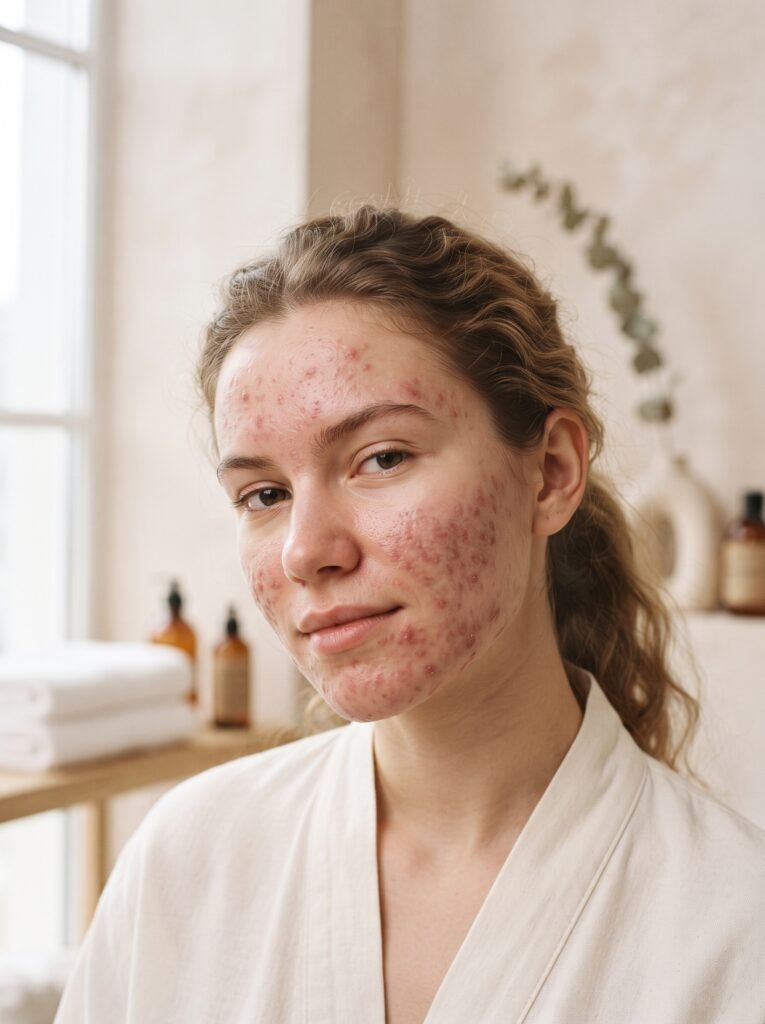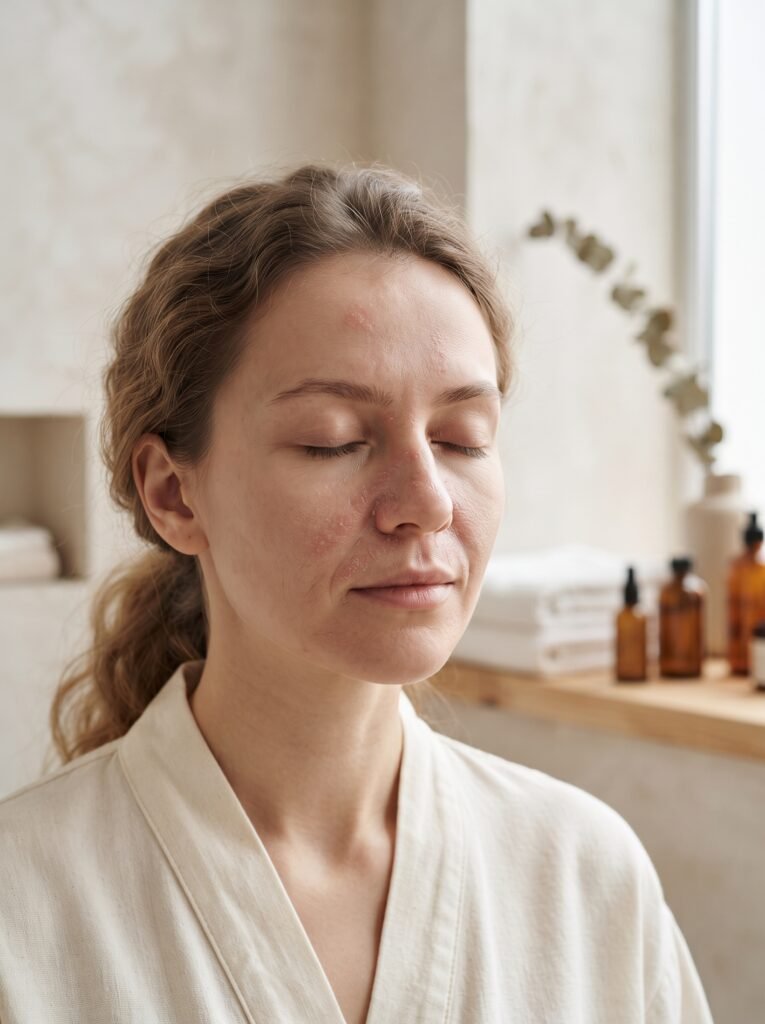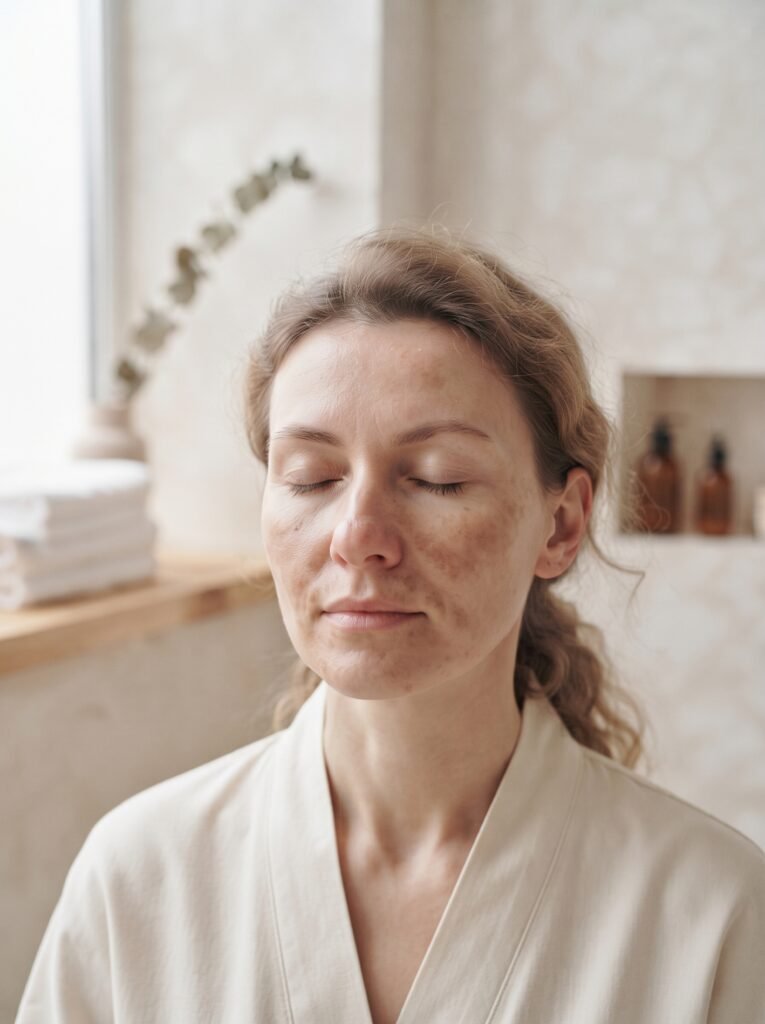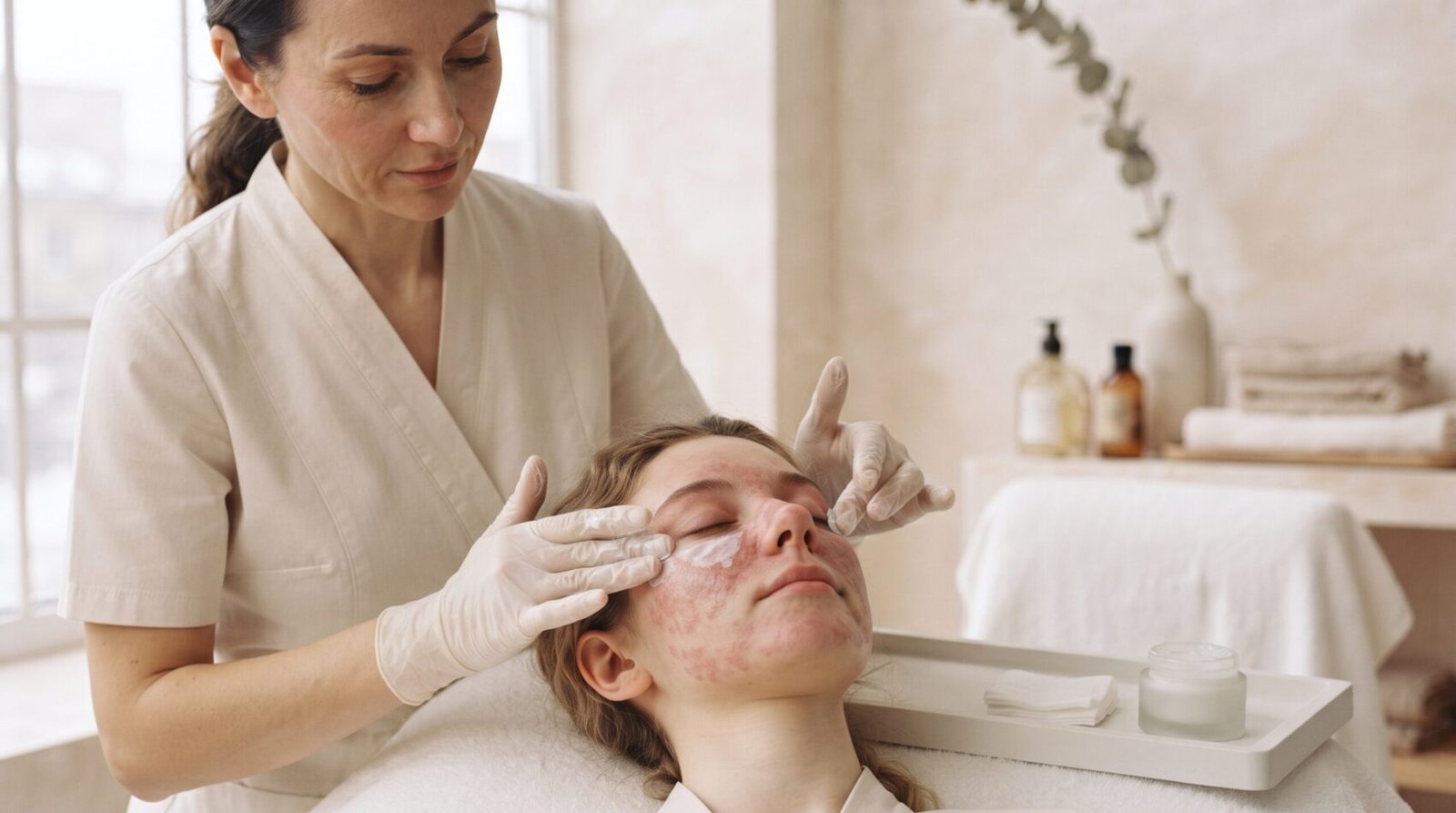
Description: A chronic, recurring inflammatory skin disease accompanied by intense, often unbearable itching, redness, weeping, crusting, and skin thickening. In adults, it most commonly appears on the hands, the creases of the elbows and knees, the neck, and around the eyes.
Causes: It results from a combination of genetic predisposition (e.g., mutations in the filaggrin gene, which maintains cellular moisture), immune dysregulation (the Th2 inflammatory pathway), and severe impairment of the skin barrier. Itching and inflammation are further exacerbated by skin dysbiosis—specifically the overgrowth of *Staphylococcus aureus* bacteria, which form biofilms and directly stimulate itch-sensing nerve endings. Emotional stress and environmental allergens are common triggers for flare-ups.
Best management strategies:
Daily care (foundation): Apply neutral, mild, fragrance-free emollients multiple times a day.
Topical anti-inflammatory therapy: Use topical corticosteroids short-term under medical supervision to calm flare-ups. For long-term control without side effects, topical calcineurin inhibitors (tacrolimus ointment, pimecrolimus cream), crisaborole (PDE-4 inhibitor), or ruxolitinib cream (JAK inhibitor) are recommended.
Systemic and biologic therapy: For moderate to severe forms, biologic drugs such as dupilumab, tralokinumab, nemolizumab, and lebrikizumab are used. In the most severe, refractory cases (especially in children), oral immunosuppressants (cyclosporine, azathioprine, mycophenolate mofetil) are introduced under strict supervision.
Natural supportive methods: Colloidal oatmeal baths (to relieve itching) and occasional, very mild, diluted bleach baths to reduce bacterial colonisation in severe forms.
Important note:
The information presented in this text is of a general nature and cannot replace a professional dermatological examination. The content published on S Lift serves exclusively for educational and informative purposes and does not represent medical advice, diagnosis or treatment recommendations. Since every skin reacts uniquely, we recommend a professional diagnosis before introducing new active ingredients, routines, or treatments. To diagnose dermatological diseases, you must consult a doctor or dermatologist. S Lift maintains its focus on holistic care and advanced cosmetology. For an advanced View Skin analysis, visit the S Lift boutique beauty salon at Kačićeva 10 in Zagreb for a personalised approach and consultation tailored to your digital skin impression.