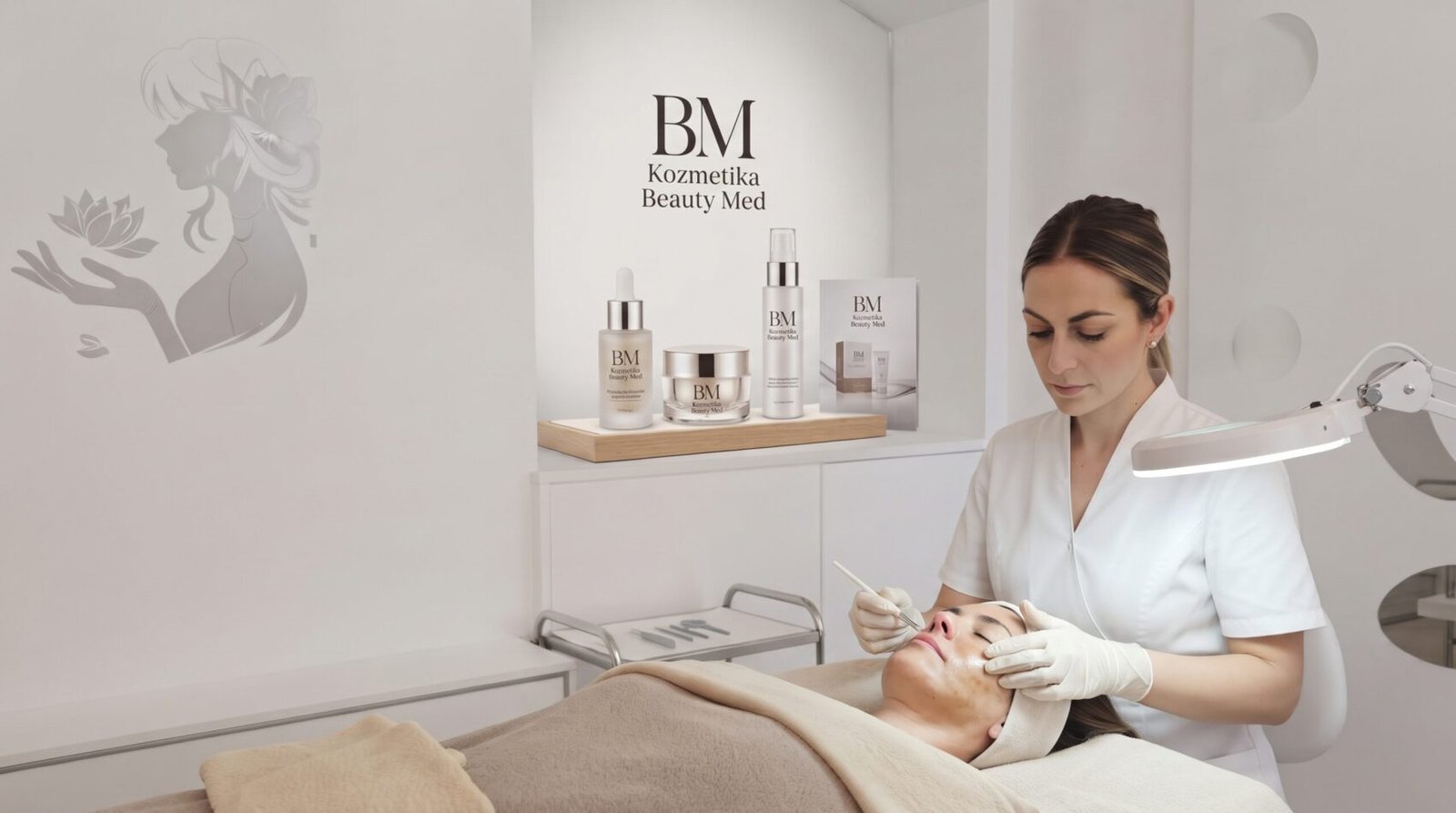
are skin conditions characterised by permanently dilated capillaries and venules that become visible on the skin's surface—most commonly on the face (nose, cheeks)—due to a loss of elasticity and the weakening of vessel walls. When blood vessels lose the ability to constrict and return to their original state after dilation, they remain permanently dilated.
Key differences and terms
Telangiectasias: The medical term for tiny, individual dilated blood vessels (up to 1 mm in diameter) that appear on the skin as red, purple, or blue threads and networks.
Couperose: A cosmetic condition affecting skin prone to redness, where telangiectasias are densely distributed, creating diffuse and persistent redness, often accompanied by dryness and heightened skin sensitivity.
Note: Couperose is not a disease but rather an aesthetic issue and a form of mild vascular dysfunction; however, it can often appear as an early stage or a concomitant feature of rosacea, a chronic inflammatory skin disease.
Main causes and triggering factors
These conditions develop mainly because of genetic predisposition (naturally thinner, less elastic vessel walls) and skin ageing. However, the condition is significantly aggravated by external factors that cause sudden vessel dilation (so-called "flushing"):
Extreme temperature fluctuations (alternating between hot and cold air, saunas, hot baths).
Exposure to UV radiation without adequate protection.
Lifestyle: Eating spicy foods, drinking alcohol and caffeine, and doing intense physical activity.
How should you care for your skin and treat dilated capillaries?
Since the blood vessels have undergone structural changes, standard creams cannot eliminate them; however, proper care and medical treatments can drastically reduce redness and prevent the condition from worsening:
- Gentle skincare: Use products designed for sensitive skin and skin prone to redness. Avoid products containing alcohol, harsh acids, mechanical exfoliating particles, or strong fragrances.
- Active ingredients: Look for creams containing soothing and anti-inflammatory ingredients (such as azelaic acid, niacinamide, liquorice extract, panthenol, or microsilver).
- Essential UV protection: Daily application of a broad-spectrum sunscreen (SPF 30 or 50) is crucial to prevent further damage to capillary walls.
- The gold standard for removal – Lasers and IPL: The most effective methods for permanently removing already dilated capillaries are vascular lasers (such as yellow or green lasers) and IPL (Intense Pulsed Light). Light energy targets the haemoglobin within the vessel, converts into heat, and causes the capillary to collapse and gradually break down.
Important note:
The information presented in this text is of a general nature and cannot replace a professional dermatological examination. The content published on S Lift serves exclusively for educational and informative purposes and does not represent medical advice, diagnosis or treatment recommendations. Since every skin reacts uniquely, we recommend a professional diagnosis before introducing new active ingredients, routines, or treatments. To diagnose dermatological diseases, you must consult a doctor or dermatologist. S Lift maintains its focus on holistic care and advanced cosmetology. For an advanced View Skin analysis, visit the S Lift boutique beauty salon at Kačićeva 10 in Zagreb for a personalised approach and consultation tailored to your digital skin impression.